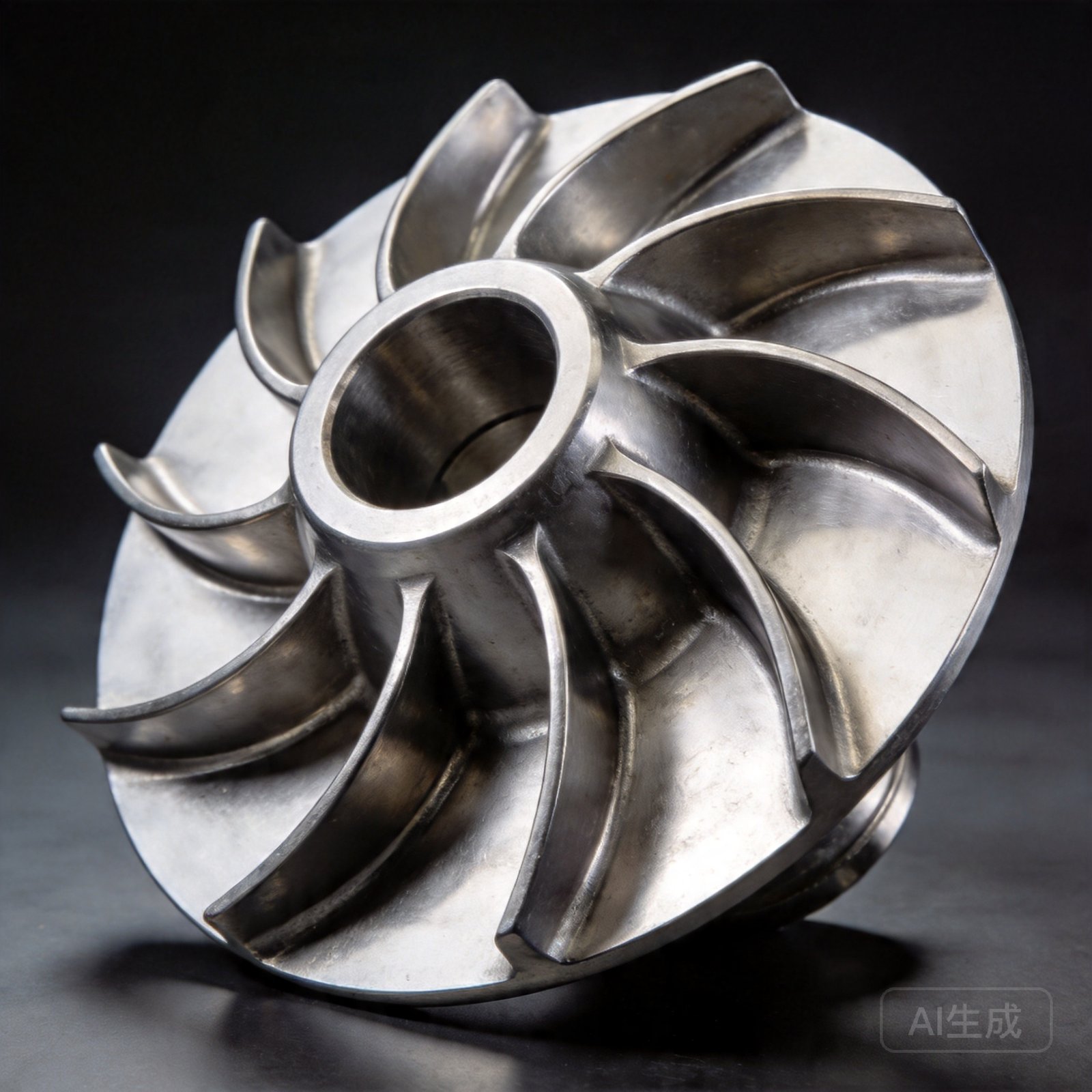
Investment casting solutions for the water treatment sector.

Water treatment facilities require durable, corrosion-resistant castings for pumps, valves, and process equipment. Our stainless steel and duplex castings provide long service life in both clean water and wastewater applications.

Investment casting offers unique advantages for this industry, including design freedom, material versatility, and cost-effective production of complex shapes.
Direct answer: Water treatment relies on corrosion-resistant castings — pump impellers and casings, butterfly and gate valve bodies, check valves, and aeration parts. CF8M (cast 316) is the workhorse for general and chloride service; duplex and super duplex (CD4MCu) handle high-chloride desalination and seawater; potable water uses drinking-water-approved stainless. Match the cast grade to the chloride level and whether the water is potable.
A water treatment or desalination plant is full of cast components, because the duty — moving and controlling corrosive water around the clock — rewards the corrosion resistance and complex-shape capability of stainless and duplex castings. The most common cast parts fall into pumping, valving, and process equipment.
On the pumping side, impellers and pump casings are cast because their curved hydraulic surfaces are impractical to machine from solid and benefit from the smooth as-cast finish that reduces flow friction. On the valving side, butterfly valve discs and stems, gate valve bodies, and check valve components are cast to net shape in corrosion-resistant grades. Process equipment such as aeration parts and fittings rounds out the list. Each of these sees continuous contact with water of varying aggressiveness, which is what drives the material choice.
The single biggest selection factor is the chloride content of the water, because chlorides drive pitting and crevice corrosion. The table maps common water-treatment duties to the cast grade that suits them.
| Water Duty | Typical Cast Grade | Why |
|---|---|---|
| Clean / fresh water | CF8 (cast 304) or CF8M | General corrosion resistance at lower cost |
| Potable (drinking) water | Drinking-water-approved stainless | Safe for human contact, certified grade |
| Wastewater | CF8M (cast 316) | Molybdenum resists chlorides and mild aggression |
| Brackish / chloride water | CF8M or duplex (CD4MCu) | Higher pitting resistance for chlorides |
| Seawater / desalination | Duplex / super duplex (CD4MCu, CD3MN) | Maximum pitting & stress-corrosion resistance |
Confirm the exact grade, heat-treat condition, and any potable-water approval with the foundry for your specific water chemistry.
As the chloride level rises from fresh water to seawater, the grade steps up from CF8/CF8M to duplex and super duplex. Over-specifying wastes money — duplex in clean fresh water adds cost for no benefit — while under-specifying risks pitting failure of a pump or valve in service. Defining the water chemistry precisely is therefore the heart of getting water-treatment castings right. For the full family of cast grades, see our casting alloy comparison chart and the CF8M vs CF8 vs 316 comparison.
Desalination is the most demanding water-treatment environment for castings. Seawater and the concentrated brine produced by reverse-osmosis and thermal desalination are rich in chlorides at elevated temperature, conditions that pit and crevice-attack standard 316/CF8M over time. This is why desalination pump impellers, casings, and valve bodies are cast in duplex (CD4MCu) or super duplex stainless, whose balanced austenitic-ferritic structure delivers both high strength and outstanding chloride pitting and stress-corrosion resistance.
The cost premium of duplex over CF8M is justified in desalination because a corrosion failure on a high-pressure seawater pump or valve is expensive and disruptive. The same logic applies to coastal intakes and any brackish-water service: where chlorides are high, the more corrosion-resistant casting grade is cheaper over the life of the plant than repeated replacement of a cheaper grade that pits.
Beyond the grade, casting quality determines how a water-treatment part performs. Corrosion resistance depends on correct chemistry and proper solution annealing of austenitic and duplex castings, which dissolves carbides and restores the corrosion-resistant microstructure. A casting poured to the right grade but improperly heat treated will under-perform, so process control and certification matter as much as the alloy name on the drawing.
For pressure-boundary parts such as pump casings and valve bodies, soundness is equally important: porosity or shrinkage defects in a wall can become leak paths or corrosion initiation sites. Qualified foundries verify water-treatment castings with chemistry and mechanical testing plus non-destructive examination appropriate to the part. When specifying, state the grade, condition, any potable approval, and the inspection level so the delivered casting matches the service it must survive.
Pumps are the heart of any water or wastewater plant, and their wetted parts are almost always cast. The impeller — the rotating component that adds energy to the water — has complex curved vanes that are impractical to machine from solid, so it is investment cast to net shape in a corrosion-resistant grade. A smooth as-cast surface matters here because surface roughness directly reduces hydraulic efficiency and raises the energy a plant spends pumping, one of its largest operating costs.
The pump casing (volute) that surrounds the impeller is likewise cast, with internal flow passages formed in a single piece that would be impossible to fabricate. Both impeller and casing must resist the water they handle: CF8M for general and chloride-bearing water, duplex or super duplex for seawater and brine. Because a pump runs continuously, even slow corrosion or erosion of these cast parts degrades performance over time, which is why grade selection and casting soundness are treated as performance issues, not just durability ones.
Valves isolate and control flow throughout a treatment plant, and their bodies and trim are cast for the same reasons as pumps: complex shapes in corrosion-resistant alloys. Butterfly valve discs and stems, gate valve bodies for water mains, and check valve components are all commonly investment cast. The valve body is a pressure boundary, so its casting must be sound and correctly heat treated, and its grade must match the water just as the pump's does.
Because water plants increasingly automate, many of these valves are actuated, and the cast body and trim must give a long, reliable cycle life under continuous service. Specifying the right cast grade — and confirming it with material certification — protects both the pressure integrity and the corrosion life of the valve. For the underlying grade decision behind these parts, our CF8M vs CF8 vs 316 guide walks through exactly when the molybdenum-bearing grade is worth specifying.
In water treatment, the cheapest casting at purchase is rarely the cheapest over the life of the plant. A pump impeller or valve body that pits or erodes must be replaced, and the cost of that replacement — parts, labor, and the downtime of an isolated treatment train — far exceeds the modest premium of the correct corrosion-resistant grade. This is why specifiers weigh lifecycle cost, not just unit price, when choosing between CF8M and a duplex grade for chloride service.
Corrosion resistance in service depends on three things together: the right grade for the chloride level, proper solution annealing to develop the corrosion-resistant microstructure, and a sound, defect-free casting without porosity that could initiate attack. A foundry that controls all three delivers parts that reach their full design life. When evaluating suppliers for water-treatment castings, the quality system behind the casting is part of the value, because it is what turns the right grade on paper into a part that actually survives the water.
Water treatment castings come down to matching grade to water and confirming casting quality. Use CF8 or CF8M for clean and general water, a drinking-water-approved stainless for potable contact, CF8M or duplex for wastewater and brackish chlorides, and duplex or super duplex for seawater and desalination. Step the grade up as the chloride level rises, and avoid over-specifying where the water is benign.
Then lock down the casting itself: state the grade, the heat-treat condition, any potable approval, and the inspection level the part needs, and require material certification on delivery. Specified this way, cast pump impellers, casings, and valve bodies give water and wastewater plants the long, corrosion-resistant service life the application demands. Send us your water chemistry and part drawings and our metallurgists will recommend the right grade and provide a full certification package.
Beyond pumps and valves, water and wastewater plants use cast parts throughout their aeration and process equipment. Aeration systems — which inject air into wastewater to support biological treatment — rely on cast diffuser components, blower parts, and mixer impellers that operate continuously in a wet, often corrosive environment. Like pump and valve castings, these parts are specified in stainless or duplex grades chosen for the process water they contact.
Cast fittings, brackets, and structural components also appear across clarifiers, filters, and chemical-dosing systems. Wherever a part must combine a complex shape with corrosion resistance and continuous service, casting is the practical manufacturing route. Standardizing on a small set of proven cast grades across all this equipment simplifies a plant's spare-part inventory and maintenance, which is a further reason water utilities lean on a consistent, well-documented casting supply.
Water treatment uses corrosion-resistant castings for pumps and valves: pump impellers and casings, butterfly valve discs and stems, gate and check valve bodies, and aeration parts. Materials are typically austenitic stainless (CF8M) for general and chloride service, and duplex or super duplex (CD4MCu, CD3MN) for desalination and high-chloride seawater where pitting resistance is critical.
CF8M (cast 316) is the workhorse for water and wastewater castings because its molybdenum resists chloride pitting. For drinking water, lead-free, NSF-appropriate stainless grades are specified. For desalination and seawater with high chlorides, duplex (CD4MCu) and super duplex castings give the highest pitting and stress-corrosion resistance. Match the grade to the chloride level and whether the water is potable.
Investment casting suits water treatment parts because it produces complex pump and valve shapes near net shape in corrosion-resistant alloys, with smooth surfaces that reduce flow friction and internal passages cast in one piece. This lowers machining cost, allows a wide range of stainless and duplex grades, and gives consistent quality batch to batch for impellers, casings, and valve bodies.
Yes, when the correct grade and finish are specified. Drinking-water castings use stainless grades and surface finishes appropriate for potable contact, free of harmful leachable elements. The casting must be specified and certified for potable service; not every stainless grade or finish qualifies, so confirm the drinking-water suitability and any required approvals with the foundry for potable applications.
Desalination plants need highly chloride-resistant castings because seawater and brine are extremely corrosive. Pump impellers, casings, and valve bodies are cast in duplex (CD4MCu) or super duplex stainless, which resist the pitting, crevice, and stress-corrosion attack that would damage standard 316/CF8M. The grade is chosen for the specific chloride concentration and temperature of the desalination process.
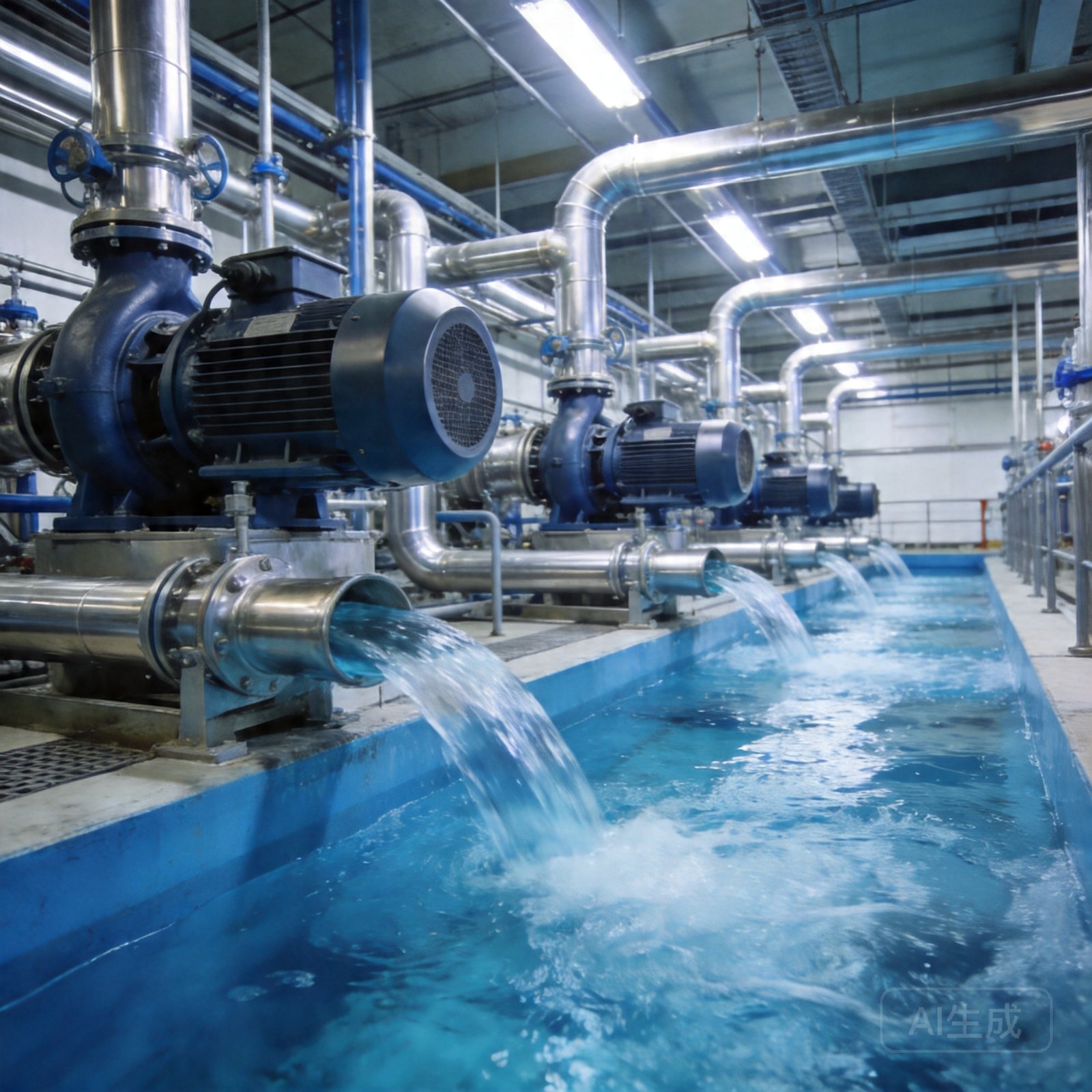
Send drawings or specifications — our engineering team responds within 24 hours with a detailed quote.