Investment Casting Services

Precision lost-wax casting for complex parts in stainless steel, carbon steel, and alloy steel.

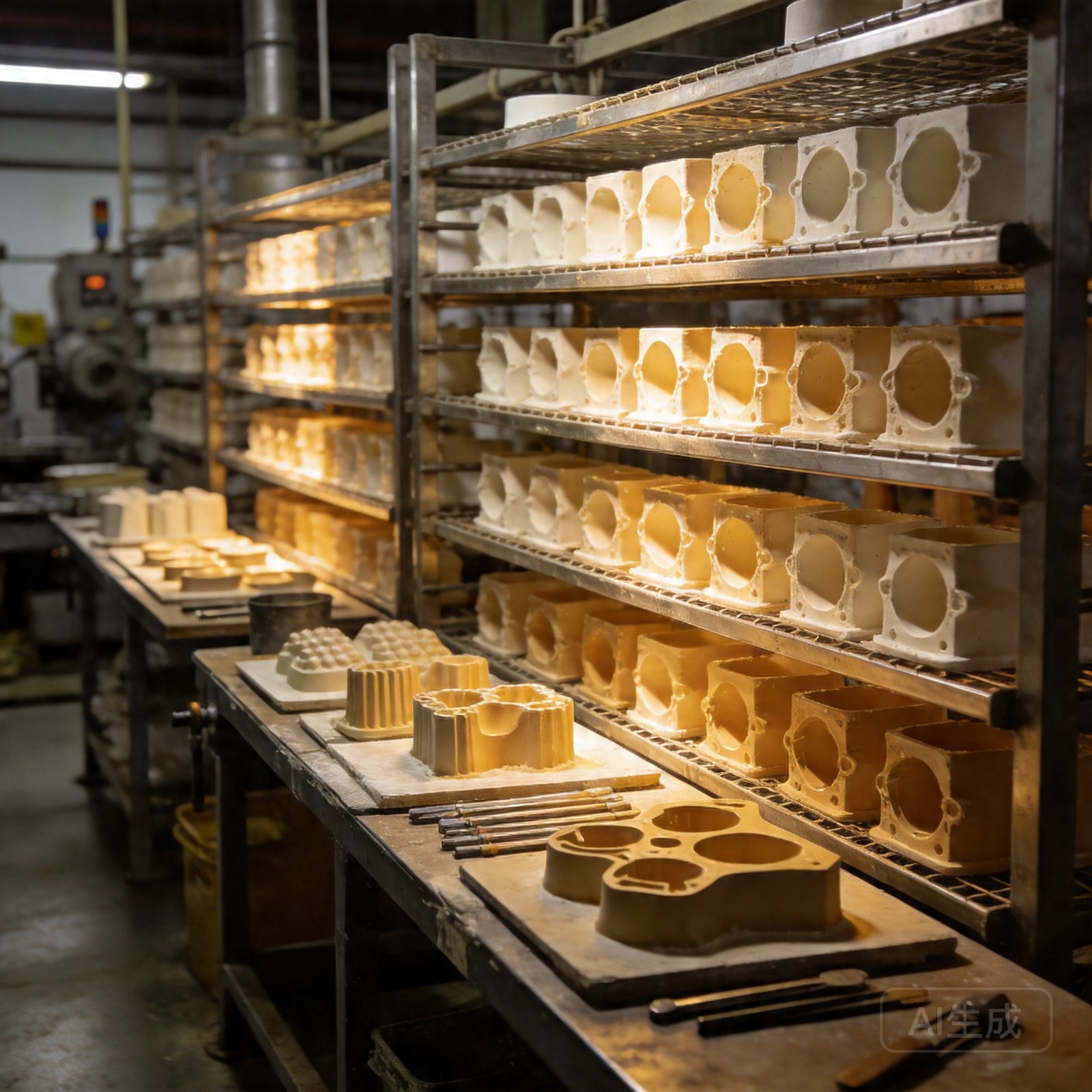
Investment casting process wax pattern ceramic shell pouring production facility

Lost-Wax Investment Casting

Investment casting (lost-wax casting) is a precision manufacturing process that produces near-net-shape metal components with complex geometries, tight tolerances (CT5-CT7), and excellent surface finish (Ra 3.2-6.3 μm). It is ideal for parts that are difficult or expensive to machine from solid stock. Compared with sand casting, investment casting performs especially well on complex thin-wall parts that demand refined internal cavities, wall thickness down to 1.5 mm, and repeatable surface consistency. This process often eliminates or significantly reduces secondary machining, helping shorten total lead time and lower the all-in cost per finished component.

  • Part weight range: 0.01 kg to 80 kg
  • Wall thickness as thin as 1.5 mm
  • Dimensional tolerance: CT5-CT7 (ISO 8062)
  • Surface finish: Ra 3.2-6.3 μm
  • Compatible with 200+ alloy grades
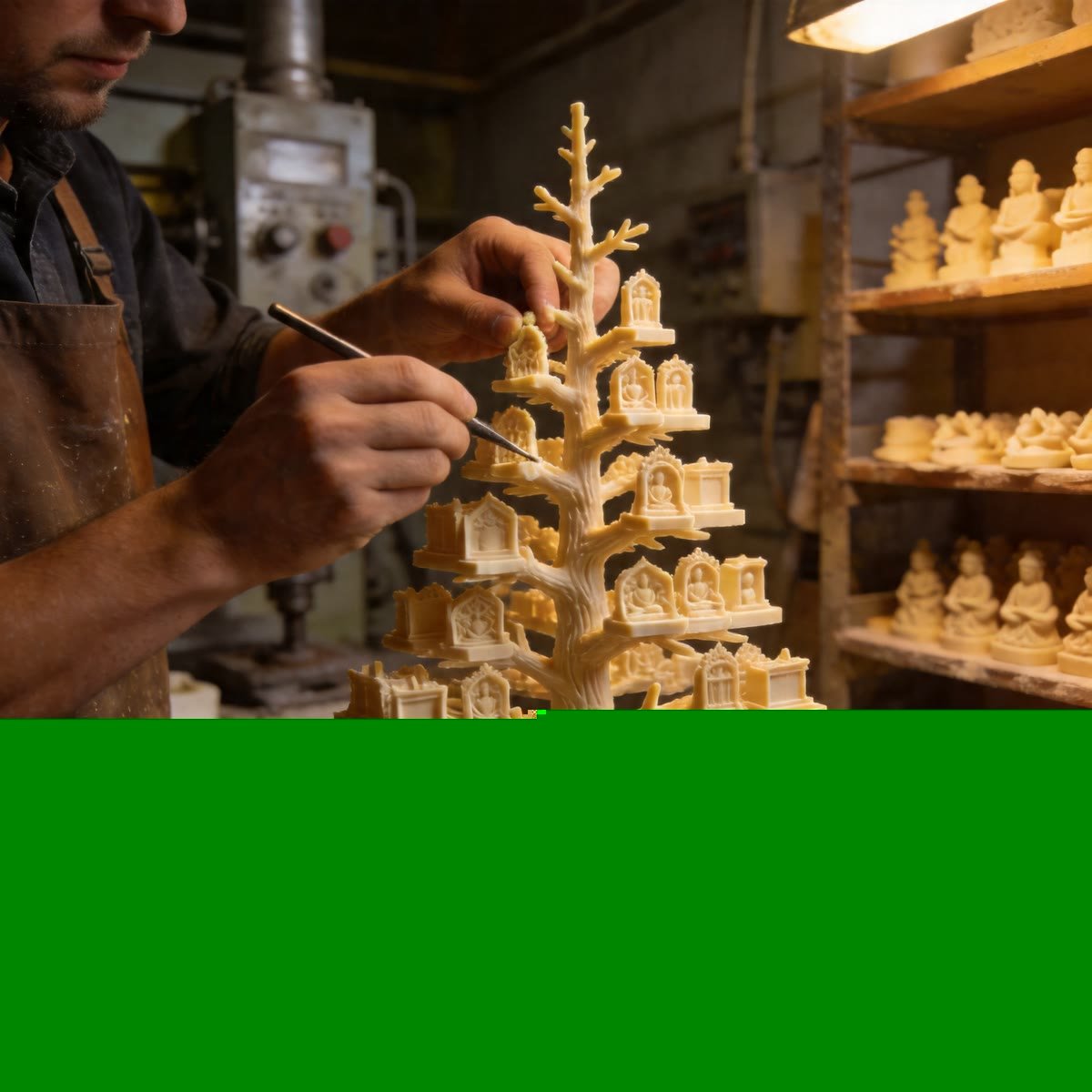
Investment casting wax pattern assembly for precision lost-wax cast parts

Casting Process Overview

Our investment casting process follows strict, standardized procedures to ensure consistency and quality across every production run. Traditional lost-wax steps are modernized into a highly repeatable, data-driven production workflow with quality checkpoints at each stage. We align process control and inspection criteria with applicable ASTM requirements, and every batch remains traceable back to raw material certificates and heat records.

Below is our complete nine-step process:

  • Step 1: Tooling design & wax pattern injection
  • Step 2: Wax tree assembly
  • Step 3: Ceramic shell building (6-8 layers)
  • Step 4: Dewaxing in autoclave
  • Step 5: Shell preheating & metal pouring
  • Step 6: Knockout, cut-off & grinding
  • Step 7: Heat treatment (as required)
  • Step 8: CNC machining & surface treatment
  • Step 9: Final inspection & packaging
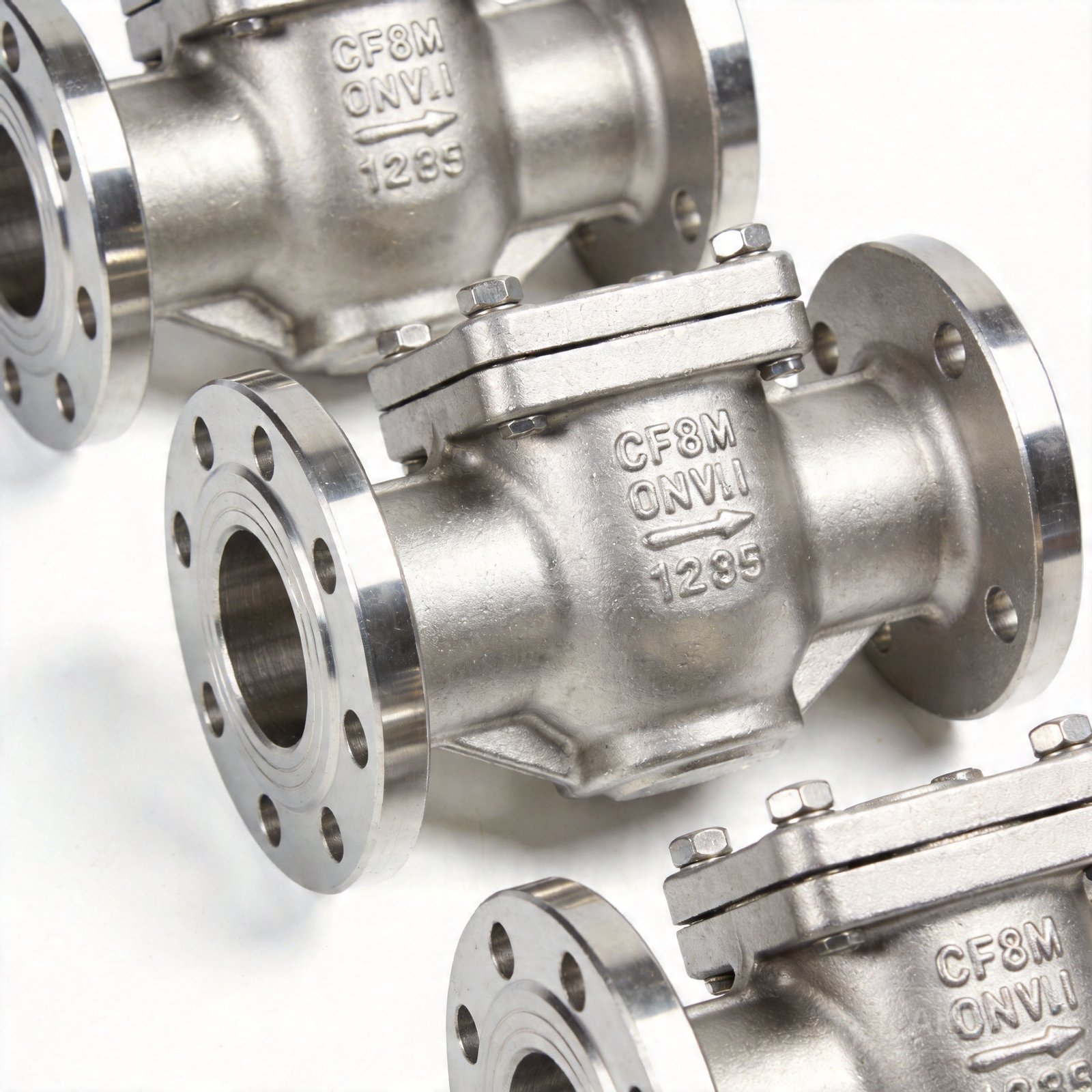
Stainless steel casting CF8 CF8M 17-4PH investment cast alloy grades

Materials We Cast

We work with a broad range of ferrous and non-ferrous alloys, selected to match the specific operating conditions of your application. Proper alloy selection directly affects service life, pressure performance, corrosion resistance, and long-term reliability in the field. Before production, our metallurgy team reviews material compatibility and castability to confirm the selected grade meets both functional requirements and stable filling behavior during pouring.

Material CategoryCommon GradesApplications
Austenitic StainlessCF8, CF8M, CF3, CF3MValves, pumps, food equipment
Duplex StainlessCD3MN, CE3MN, CD3MWCuNMarine, chemical, desalination
Carbon SteelWCB, WCC, LCB, LCCPipeline, structural, general
Alloy SteelWC6, WC9, C5, C12High-temp, petrochemical
Nickel AlloyCW-12MW, CY-40Extreme corrosion environments

For special low-temperature, high-corrosion, or high-wear environments, we can also evaluate additional nickel-based grades to meet your target standards and service conditions.

Learn more: Investment Casting for Valve Applications — explore the critical role of investment casting in valve manufacturing.

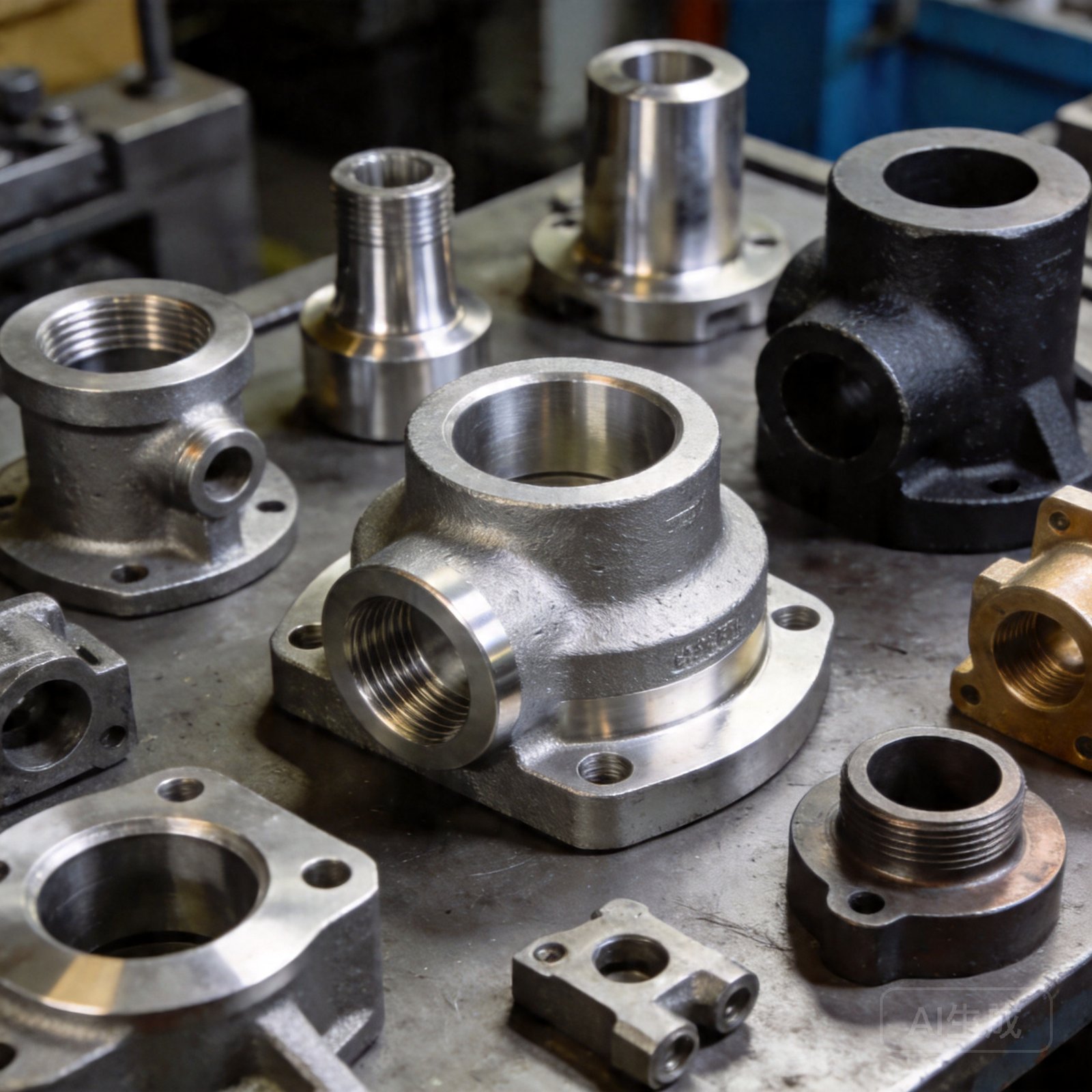
Industrial investment cast components for valve pump and machinery applications

Industries Served

Our investment castings are used across a wide range of industries where precision, durability, and material performance are critical. From high-pressure valve bodies for offshore oil and gas service, to corrosion-resistant pump casings for desalination systems, to precision turbocharger housings for automotive applications, we deliver repeatable quality that aligns with demanding industry requirements. We collaborate with customers early in development and provide DFM feedback to reduce tooling revisions, improve yield, and accelerate time to market.

  • Oil & Gas: valve bodies, bonnets, wellhead components
  • Water Treatment: pump impellers, butterfly valve discs
  • Chemical Processing: corrosion-resistant reactor parts
  • Automotive: turbo housings, exhaust manifolds, brackets
  • Power Generation: steam turbine components
  • Marine: propellers, fittings, deck hardware
Request a Quote
Investment casting wax pattern - precision detail for complex geometries

When to Choose Investment Casting vs Other Processes

Investment casting is not the best choice for every application. Understanding when it excels and when alternative processes may be more economical is essential for making informed sourcing decisions.

Choose investment casting when your parts require:

  • Complex geometries - undercuts, internal passages, and fine details that would be expensive or impossible to machine
  • Thin walls - as thin as 1.5 mm, reducing material cost and weight
  • Excellent surface finish - Ra 3.2-6.3 um, minimizing finishing operations
  • Wide material range - 200+ alloys including stainless steel, carbon steel, duplex, and nickel alloys
  • Medium-to-low volumes - 50 to 10,000 parts per year, where sand casting tooling is too costly for the precision required

Consider sand casting or forging when part volumes exceed 10,000 units per year and wall thickness requirements are above 5 mm. Our team provides impartial process recommendations - if investment casting is not the best fit, we will tell you and suggest alternatives. Read our investment casting vs sand casting comparison for a detailed side-by-side analysis.

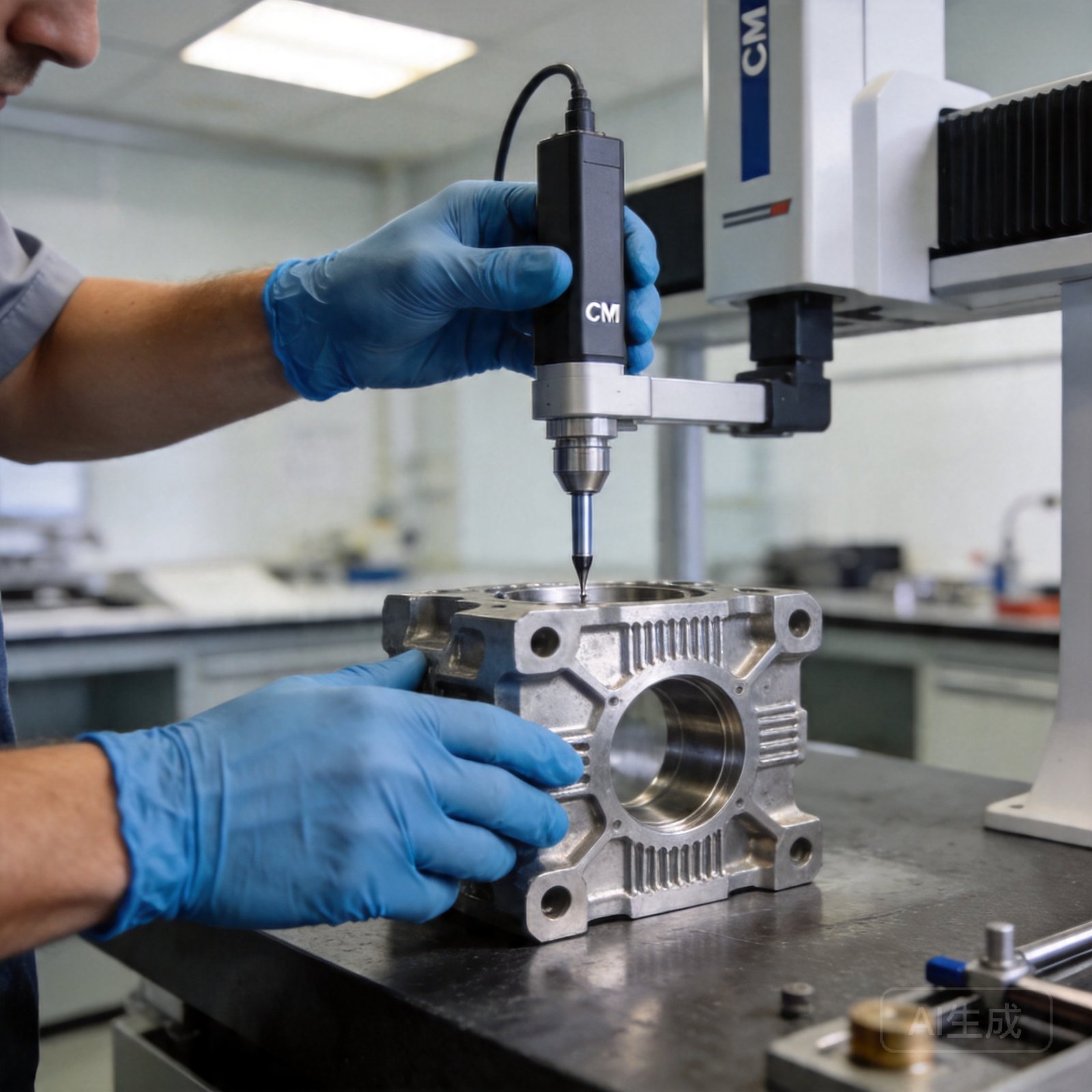
Quality inspection dimensional check CMM ensuring investment casting accuracy and integrity

Why Work with Matson Foundry for Investment Casting

With over a decade of precision casting experience, Matson Foundry combines technical expertise with responsive customer service. Here is what sets us apart:

  • ISO 9001:2015 certified - rigorous quality management system covering every stage from raw material to final inspection
  • In-house NDT lab - radiographic testing (RT), ultrasonic testing (UT), magnetic particle (MT), and liquid penetrant (PT) testing per ASTM standards
  • Engineering-led DFM - free design for manufacturability review at quotation stage, identifying potential casting issues before tooling is ordered
  • Integrated CNC machining - post-casting finishing in our own facility, eliminating handoff delays and tolerancing issues between suppliers
  • Export experience - serving buyers across North America, Europe, Southeast Asia, and the Middle East with compliant packaging and documentation

We do not just cast parts - we engineer reliable supply solutions. Learn more about our team and facility or submit your inquiry today.

Frequently Asked Questions About Investment Casting

What is the minimum order quantity for investment casting at Matson Foundry?

We accept orders starting from 50–100 pieces for standard parts. For complex parts or small prototypes, we can accommodate lower quantities on a case-by-case basis.

What is the typical lead time for investment casting?

First article lead time is typically 4–8 weeks including tooling. Production lead time after first article approval is approximately 3–5 weeks depending on quantity and alloy availability.

Can investment casting produce parts with internal threads or complex cavities?

Internal threads and very complex internal cavities are typically machined after casting. However, we can cast near-net shapes with core-created internal passages, reducing the amount of machining required.

What surface finish does investment casting achieve?

Investment casting typically achieves surface finishes in the range of Ra 3.2–6.3 μm (125–250 μin) for most areas, with finer finishes possible with optimized shell materials and process control.

Start Your Casting Project

Send drawings or specifications — our engineering team responds within 24 hours with a detailed quote.