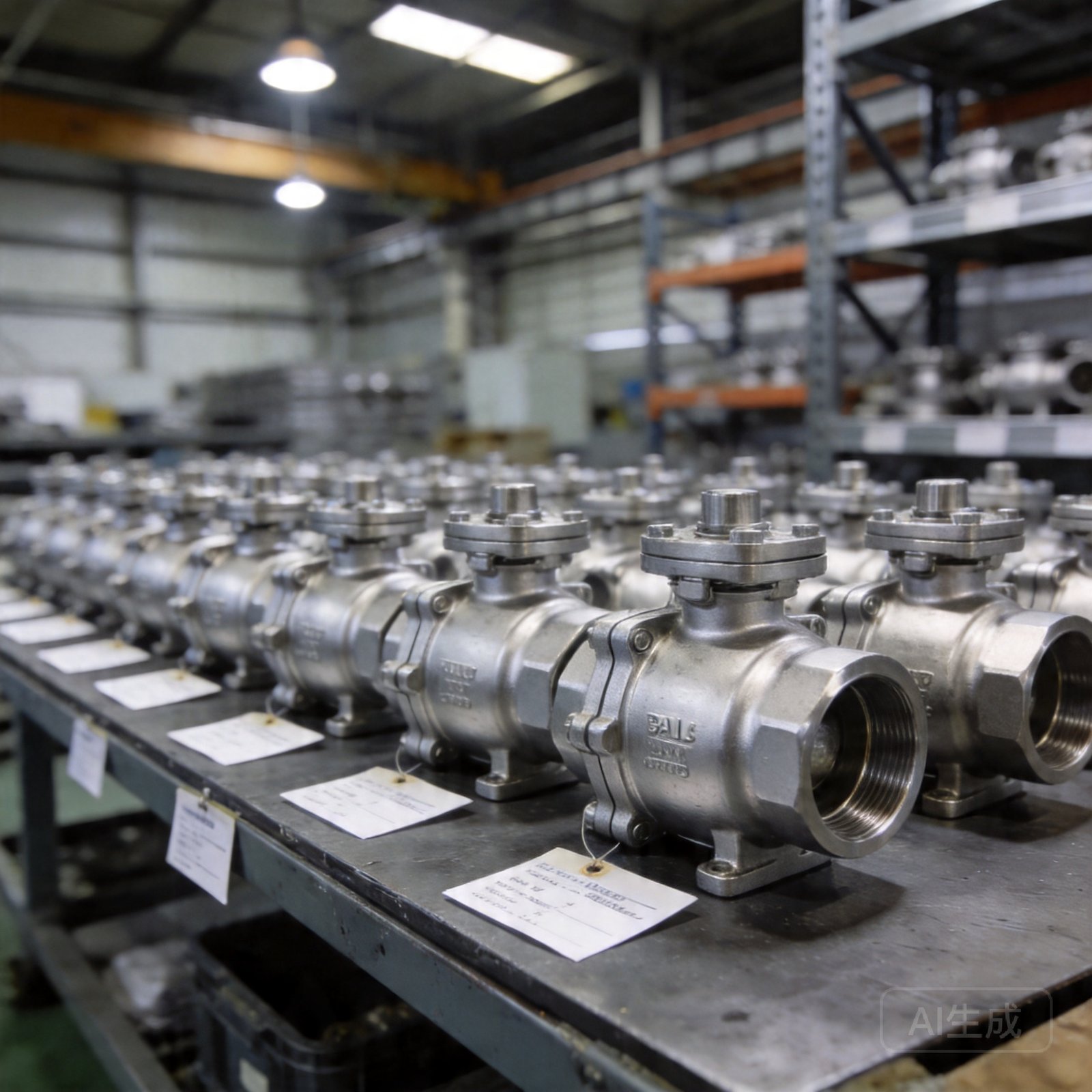
Cast valve bodies are pressure-boundary parts, so they are governed by a stack of standards — ASTM for the casting material, API and ASME for the valve design and rating, and dedicated test standards for proving integrity. Here is how those standards fit together.
Reviewed by Matson Foundry engineering · Published 15 June 2026 · Last updated 15 June 2026
Direct answer: Cast valves are governed by three layers of standards. ASTM material specs define the casting alloy — A216 (carbon steel), A352 (low-temperature), A217 (high-temperature alloy) and A351 (stainless, CF8/CF8M). API and ASME standards set the valve design and rating — API 600/602/6D for construction and ASME B16.34 for pressure-temperature class. Test standards such as API 598 (pressure/seat test) and API 607 (fire test) prove integrity of the finished valve.
It helps to read valve casting standards as three layers that stack from the metal up to the finished, tested valve. First, an ASTM material specification defines what the casting is made of and how strong it must be. Second, a valve design standard (API or ASME) defines how the body is built and what pressure-temperature rating it carries. Third, a test standard defines how the finished valve is inspected and proven. A complete valve callout names one from each layer — for example, an A216 WCB body, built to API 600, rated per ASME B16.34, tested to API 598.

The casting material is set by an ASTM specification that fixes chemistry, mechanical properties, heat treatment, and required testing. For valve bodies the common specs split by service temperature and corrosion resistance, per ASTM International:
| ASTM Spec | Common Grades | Typical Service |
|---|---|---|
| A216 | WCB, WCC | Carbon steel, ambient to moderate temperature, general service |
| A352 | LCB, LCC, LC3 | Low-temperature carbon/alloy steel, impact-tested for cold service |
| A217 | WC6, WC9, C5, C12 | Alloy steel for high temperature and creep (power, refinery) |
| A351 | CF8, CF8M, CF3, CF3M | Austenitic stainless for corrosive and stainless duty |
For full chemistry and mechanical data on these grades, see our casting alloy comparison chart and the valve casting material options.
Design standards define how the valve is built and what it is rated for. The American Petroleum Institute publishes the construction standards for industrial valves, while ASME B16.34 governs the pressure-temperature rating that the casting material must support.
| Standard | Scope |
|---|---|
| API 600 | Bolted-bonnet cast steel gate valves, generally NPS 2 and larger, refinery/pipeline service |
| API 602 | Compact steel gate, globe and check valves, generally NPS 4 and smaller |
| API 6D | Pipeline and pipeline-related valves (ball, gate, check, plug) |
| API 608 | Metal ball valves, flanged, threaded and welding ends |
| ASME B16.34 | Pressure-temperature ratings, wall thickness and material rules (Class 150–2500) |
ASME B16.34 is the bridge between the material layer and the rating: it ties a grade such as A216 WCB to an allowable pressure class across temperature, and it sets minimum wall thickness for the cast body.
A cast valve is only acceptable once its pressure boundary is proven. API 598 defines the inspection and testing regime — hydrostatic shell test, seat test, and backseat test — with allowable leakage rates by valve type and size. For safety-critical service, API 607 (and API 6FA) fire-test soft-seated quarter-turn valves to confirm they stay sealed during and after fire exposure. Casting soundness is verified before assembly with NDT: dye-penetrant or magnetic-particle for surface defects, and radiographic or ultrasonic testing for internal soundness, with acceptance levels referenced to ASTM E446/E186.

Putting the layers together, a typical specification for a cast gate valve might read: cast carbon steel body to ASTM A216 Grade WCB, valve to API 600, rated Class 300 per ASME B16.34, pressure-tested to API 598. Each clause locks a different requirement — alloy, construction, rating, and proof testing — and the foundry must satisfy all of them. Choosing the right ASTM grade is the foundation step: get the material wrong and the B16.34 rating and downstream testing cannot be met. For method selection behind these bodies, see our valve casting methods comparison.
The core ASTM material specs are A216 (carbon steel, WCB/WCC for general service), A352 (low-temperature carbon and alloy steel, LCB/LCC/LC3), A217 (alloy steel for high temperature, WC6/WC9/C5/C12) and A351 (austenitic stainless, CF8/CF8M for corrosive service). Each defines chemistry, mechanical properties, heat treatment and testing for the casting.
API 600 covers bolted-bonnet cast steel gate valves for refinery and pipeline service, typically NPS 2 and larger. API 602 covers compact steel gate, globe and check valves, generally NPS 4 and smaller, often forged or cast for small-bore lines. The split is mainly size class and valve construction.
API 598 is the valve inspection and testing standard, defining hydrostatic shell, seat and backseat pressure tests for the finished valve. API 607 is a fire-test standard that verifies a soft-seated quarter-turn valve stays leak-tight during and after exposure to fire. API 598 proves pressure integrity; API 607 proves fire safety.
Yes. ASME B16.34 sets the pressure-temperature ratings, wall-thickness minimums and material requirements for flanged, threaded and welding-end valves, including cast bodies. It ties the casting material grade (for example A216 WCB) to an allowable pressure class such as Class 150 to 2500 across temperature.
Match the alloy to service temperature and corrosion. A216 WCB suits ambient-to-moderate temperatures; A352 grades handle low temperature without brittle fracture; A217 alloy grades cover high-temperature and creep service; A351 CF8/CF8M handle corrosive or stainless duty. The chosen grade then sets the B16.34 pressure rating.
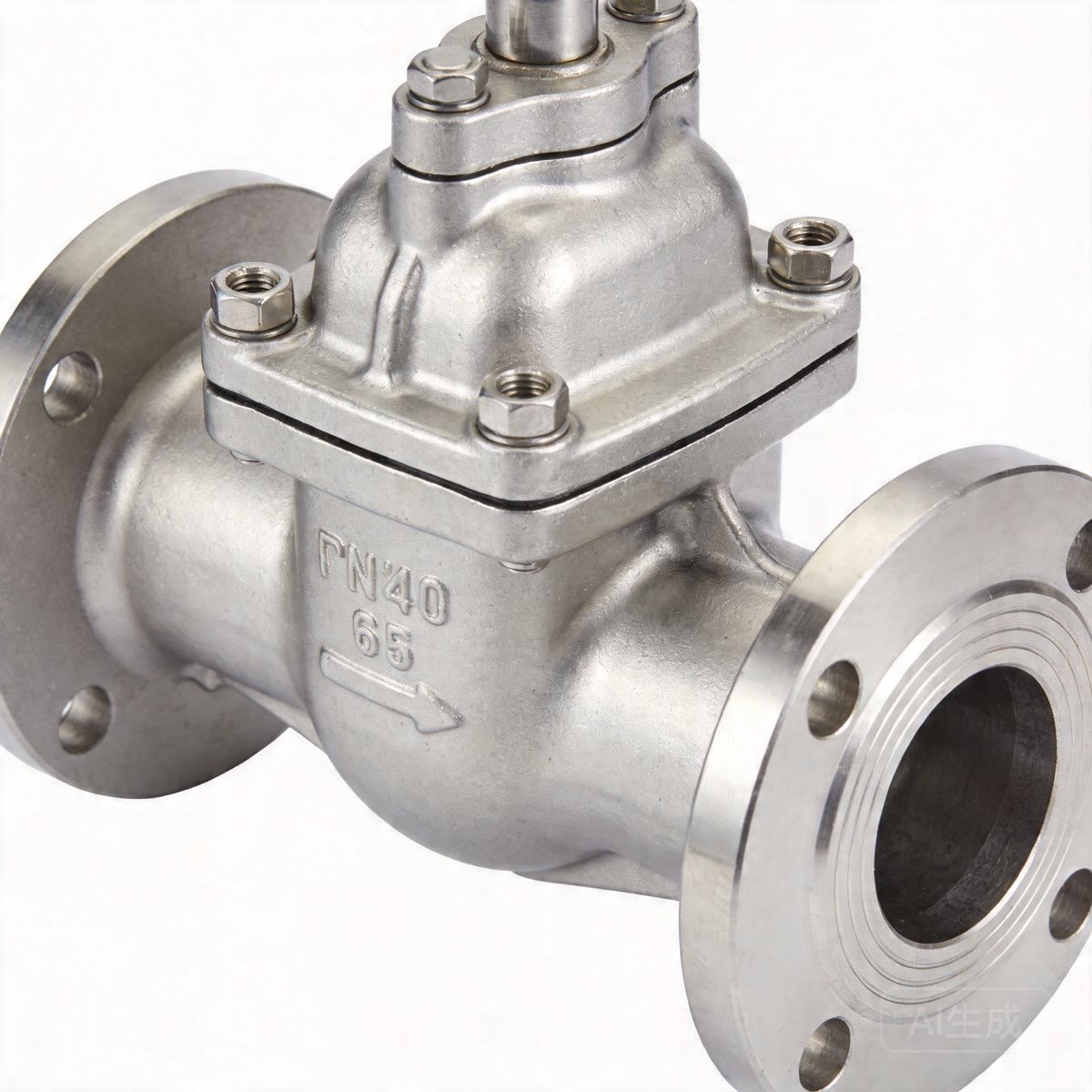
Tell us your valve type, pressure class, and applicable standards. We will confirm the casting grade, rating, and test plan for your program.