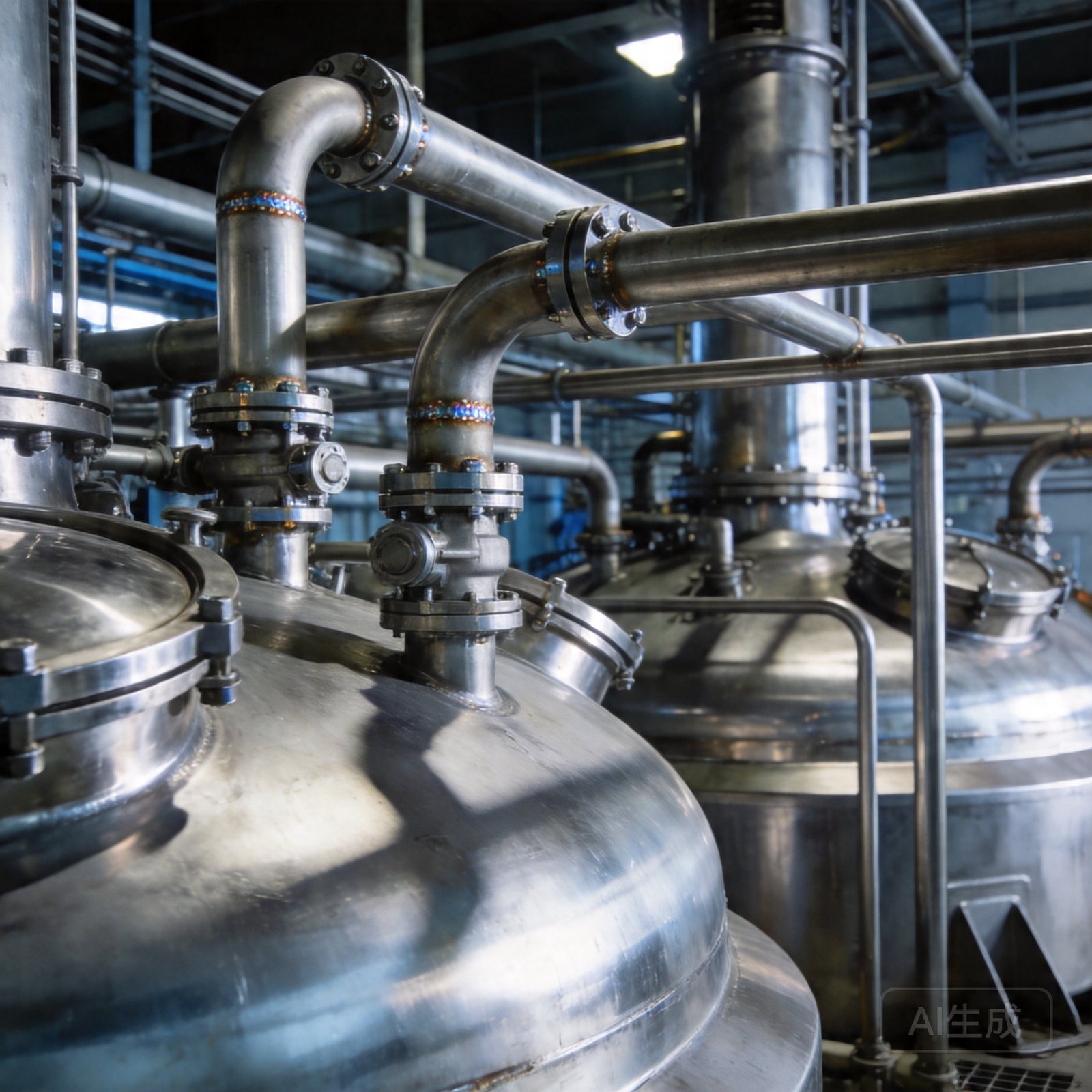
From wellhead to refinery, much of the oil and gas hardware that contains pressure is cast — valve bodies, pump casings, and flow-control parts. Here is where castings are used across the value chain, the materials they demand, and the sour-service and standards rules that govern them.
Reviewed by Matson Foundry engineering · Published 15 June 2026 · Last updated 15 June 2026
Direct answer: In oil and gas, castings make up most pressure-boundary hardware — valve bodies and bonnets, pump casings and impellers, wellhead and Christmas-tree parts, manifolds, and flow-control components. Materials run from carbon steel (A216 WCB) and low-temperature steel (A352 LCC) to alloy steel (A217) and stainless/duplex (A351 CF8M, CD3MN), chosen by temperature and corrosion. Sour service (wet H₂S) adds NACE MR0175/ISO 15156 hardness and chemistry limits. Parts follow API/ASME design and API 598 testing.
Oil and gas spans upstream (exploration and production), midstream (transport), and downstream (refining). Cast parts appear in all three, almost always as pressure-containing components where a sound casting in the correct alloy is a safety requirement, not just a cost choice.

For the sector overview, see our oil & gas industry page.
| Cast Part | Function | Typical Casting Route |
|---|---|---|
| Valve bodies & bonnets | Isolate and control flow under pressure | Investment (small–medium) / sand (large) |
| Pump casings & impellers | Move produced fluids and process media | Investment casting |
| Wellhead / Christmas-tree parts | Control well pressure at surface | Cast + forged, API 6A |
| Manifold & flow-control parts | Route and regulate multi-line flow | Investment / sand |
Matson supplies the valve and pump families directly — see valve casting and pump parts.
Material is driven by temperature, pressure, and corrosivity of the fluid. Common families, with ASTM grades per ASTM International:
| Material | Grade | Service |
|---|---|---|
| Carbon steel | A216 WCB | General ambient-to-moderate temperature, non-corrosive |
| Low-temperature steel | A352 LCC / LC3 | Cold climates, arctic and cryogenic-adjacent service |
| Alloy steel | A217 WC6 / WC9 | High-temperature, refinery and power service |
| Stainless / duplex | A351 CF8M / CD3MN | Corrosive, chloride and sour-tolerant service |

For full chemistry and properties, compare grades in our casting alloy comparison chart.
Many oil and gas streams contain wet hydrogen sulfide (H₂S), known as sour service. H₂S can drive sulfide stress cracking (SSC) in susceptible steels, so castings for sour duty must meet NACE MR0175 / ISO 15156. In practice that means controlling hardness (typically a 22 HRC cap for carbon and low-alloy steels), restricting chemistry, and using qualified heat treatment so the casting resists cracking under sustained stress. Specifying sour service changes both the alloy and how the casting is processed and tested — it is a requirement to confirm at quote stage, never an afterthought.
Oil and gas castings sit under a stack of standards: ASTM for material, API 600/602/6D and ASME B16.34 for valve design and rating, API 6A for wellhead and Christmas-tree equipment, and NACE MR0175 for sour service. Integrity is proven with NDT (dye-penetrant, magnetic-particle, radiographic, ultrasonic) and pressure testing such as API 598, plus fire testing (API 607) for safety-critical valves. For how the valve standards layer together, see our valve casting standards guide; for method selection, the valve casting methods comparison.
Castings appear across the oil and gas value chain: valve bodies and bonnets, pump casings and impellers, wellhead and Christmas-tree components, manifold and flow-control parts, compressor and turbine housings, and pipeline fittings. These are pressure-boundary parts where a sound casting in the right alloy is essential for safety and uptime.
Carbon steel (ASTM A216 WCB) for general service, low-temperature steel (A352 LCC) for cold climates, alloy steel (A217) for high temperature, and stainless or duplex (A351 CF8M, CD3MN) for corrosive and chloride service. Sour service adds NACE MR0175/ISO 15156 limits on hardness and chemistry to resist sulfide stress cracking.
Sour service means exposure to wet hydrogen sulfide (H₂S), which can cause sulfide stress cracking in susceptible metals. Castings for sour service must meet NACE MR0175/ISO 15156, which caps hardness (typically 22 HRC for carbon and low-alloy steels) and controls chemistry and heat treatment so the casting resists cracking under stress.
Material follows ASTM specs; valves follow API 600, API 602, API 6D and ASME B16.34 for rating; wellhead and Christmas-tree equipment follows API 6A; and pressure/fire testing follows API 598 and API 607. Sour-service parts additionally follow NACE MR0175. The full callout combines a material, a design, a rating and a test standard.
Investment casting produces complex valve, pump and flow-control parts close to net shape with a fine surface and tight tolerance, reducing machining on sealing and flow faces. For larger bodies, sand casting handles the size. Both routes are validated with NDT and pressure testing so the pressure boundary is sound for safety-critical service.
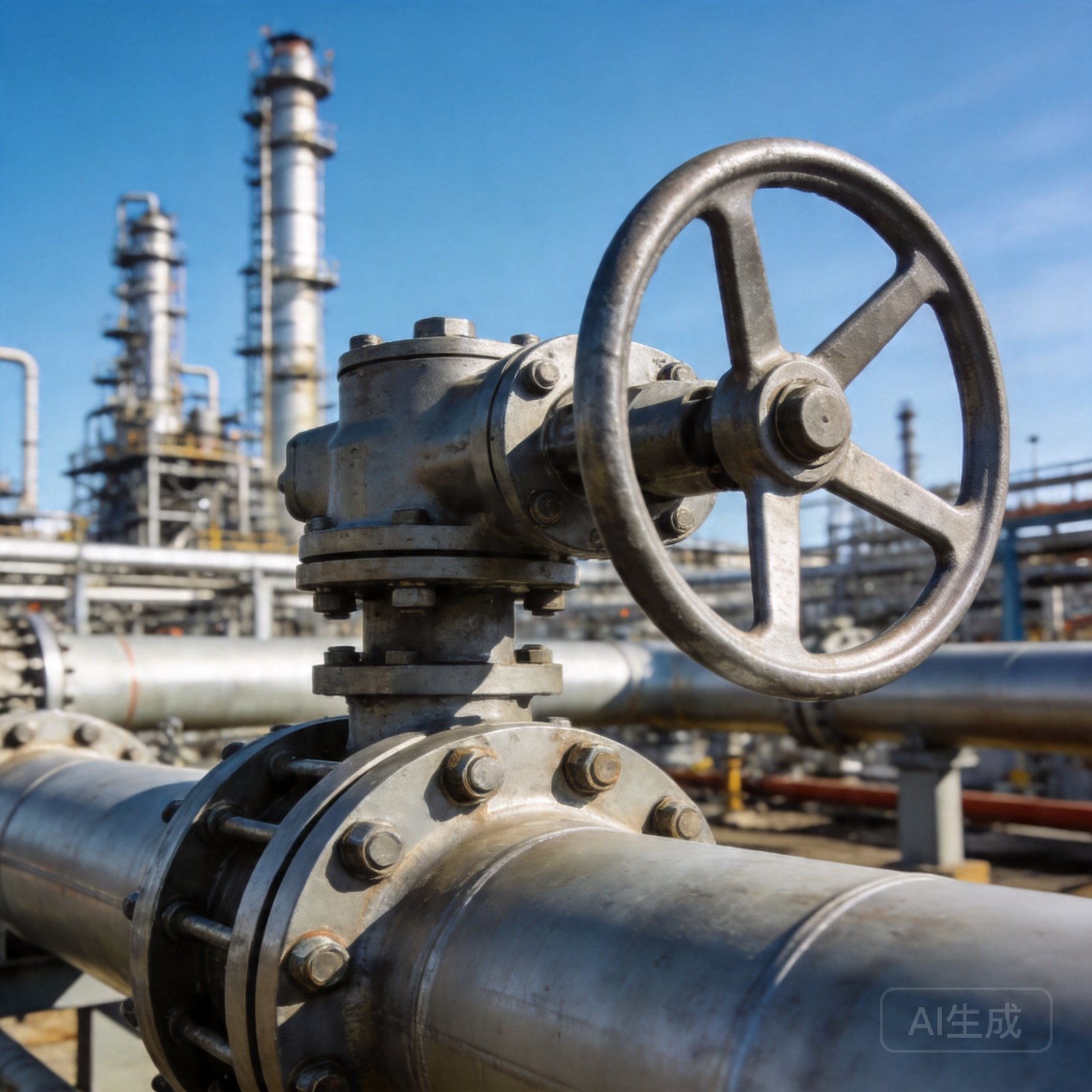
Tell us your application, fluid (including H₂S content), temperature, and pressure class. We will recommend the alloy, casting route, and test plan — including sour-service requirements.